
You're thinking about outsourcing. Smart move. But before you hand over your caseload to just anyone claiming they can handle your paralegal work remotely, let's pump the brakes for a second.
Not all virtual paralegal services are created equal. Some will save your practice time and money while maintaining the highest standards. Others? Well, they'll create more headaches than they solve: think data breaches, missed deadlines, and client complaints that keep you up at night.
This checklist walks you through the 10 non-negotiables you need to verify before trusting any virtual paralegal service with your cases. Think of this as your insurance policy against outsourcing disasters.
1. Military-Grade Data Security Isn't Optional: It's Essential
Your first question should always be about security. You're dealing with privileged attorney-client communications, sensitive personal information, and documents that could destroy lives if they fell into the wrong hands.
Ask potential providers about their encryption standards for data at rest and in transit. They should be using AES-256 encryption at minimum. Find out if they have multi-factor authentication, secure VPNs, and regular security audits by third parties. If they can't give you specific answers with actual protocol names and standards, that's your red flag.
You're also looking for clear breach response procedures. What happens if there's a security incident? Who gets notified, how quickly, and what's their remediation process? A professional virtual paralegal service should have this documented and ready to share.

2. Verify Actual Credentials: Not Just Marketing Claims
This one seems obvious, but you'd be surprised how many attorneys skip this step. Anyone can claim they have experienced paralegals on staff. Your job is to verify it.
Request copies of paralegal certifications, continuing education records, and professional affiliations. If attorneys are part of the team, confirm they're barred in their respective states and in good standing. Don't just take their word for it: look them up yourself on state bar websites.
At CRI Virtual Paralegal Group, we're transparent about our team's credentials because we know this matters to you. Every paralegal on our team maintains active certifications and completes ongoing training to stay current with legal developments.
3. They Need to Know Your Local Court Rules Like the Back of Their Hand
Here's where things get interesting: and where many virtual paralegal services completely drop the ball. General legal knowledge isn't enough. Your virtual paralegals need intimate familiarity with your specific jurisdiction's filing requirements, local rules, and court procedures.
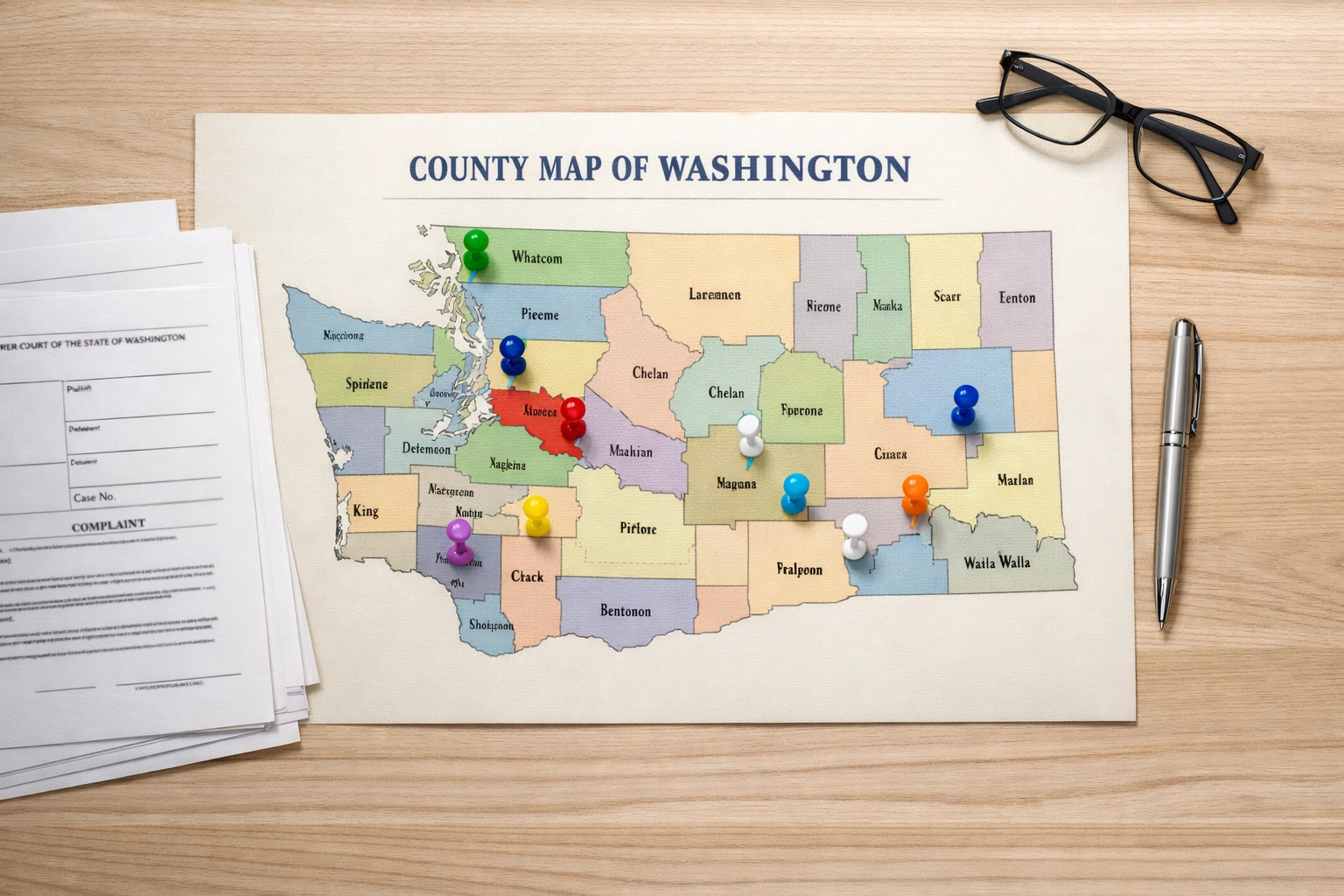
This is especially critical if you practice in Washington State. Every county in Washington has its own filing system, formatting requirements, and procedural quirks. What works in King County won't necessarily fly in Snohomish or Pierce County. Your virtual paralegal needs to know the difference between how Spokane County handles family law filings versus how Thurston County does it.
Before outsourcing, ask specific questions about their experience with your counties. Can they navigate the different e-filing portals? Do they understand local standing orders? Have they actually filed documents in your jurisdiction before?
4. Communication Protocols Should Be Crystal Clear From Day One
You need to know how quickly you'll get responses, what communication channels they use, and who your point of contact will be. Vague promises about "quick turnaround times" won't cut it.
Establish expectations upfront. Will you have a dedicated paralegal or work with a rotating team? What's the response time for urgent matters versus routine questions? Are they available during your business hours, or will time zone differences create delays?
Look for providers who use secure, professional communication platforms: not just regular email or text messages. Your communications contain privileged information and need to be treated accordingly.
5. Practice Area Experience Matters More Than You Think
A paralegal who excels at personal injury might struggle with complex family law matters. Immigration work requires different skills than estate planning. You need virtual paralegals who actually understand your practice area's nuances.
Ask about their specific experience in your field. How many cases have they handled in your practice area? Can they provide work samples or references from attorneys who practice in your specialty? Do they understand the relevant statutes, procedures, and documentation requirements?
Generic paralegal experience is fine for basic tasks, but when you're dealing with complex motions, discovery responses, or client-facing work, you need specialists who speak your legal language fluently.
6. Scalability Means They Can Handle Your Growth
Your practice won't stay the same size forever. At least, that's not the plan, right? You need a virtual paralegal service that can scale with you: handling one case this month and ten cases next month without breaking a sweat.
Find out how they handle capacity. If you suddenly need support on multiple urgent matters, can they accommodate that? What happens during your busy season? Do they have backup paralegals available, or will you be left hanging when you need them most?
The best providers have built their teams and systems specifically for scalability. They understand that your needs will fluctuate, and they're prepared for it.
7. Conflict Checks Need to Happen Before Any Information Changes Hands
This is non-negotiable from an ethics standpoint. Before you share any client information with a virtual paralegal service, comprehensive conflict checks must be completed.
Your provider should have a formal conflicts system in place. They should be able to quickly check whether they've worked for opposing parties, adverse witnesses, or anyone else who might create ethical complications for your case.
Don't share case details until conflicts have been cleared. Period. Any reputable virtual paralegal service will understand this requirement and have procedures already established.

8. Written Agreements Protect Everyone
Handshake deals and verbal agreements have no place in legal outsourcing. You need comprehensive written agreements covering confidentiality, scope of work, data handling, breach consequences, and termination procedures.
These agreements should clearly define what information can be accessed, how it must be handled, who's responsible for what, and what happens if something goes wrong. The more specific, the better.
Remember that you remain ultimately responsible for all work delegated to virtual paralegals under the ABA Model Guidelines. Your written agreements should reflect this reality and establish clear quality control procedures.
9. Look for Regular Training and Professional Development
Legal requirements change. Court procedures evolve. Security threats become more sophisticated. Your virtual paralegal team needs to keep up with all of it.
Ask about their training programs. How often do paralegals receive continuing education? Do they attend conferences or webinars on legal developments? Are they trained on confidentiality requirements and your state's ethics rules?
At CRI Virtual Paralegal Group, we require quarterly training sessions covering security protocols, ethical obligations, and practice area updates. This isn't optional: it's how we maintain the quality standards you deserve.
10. Check References From Real Attorneys
Don't rely solely on testimonials on a website. Anyone can write those. You want to talk to actual attorneys who've worked with the service for at least several months.
Ask for references and actually call them. Find out what these attorneys love about the service and what challenges they've encountered. How does the provider handle mistakes? What's their true turnaround time? Would they recommend the service to another attorney?
Pay attention to whether the references practice in similar areas or handle similar case types. Someone who's thrilled with their experience on transactional work might have different insights than an attorney managing litigation support.
Your Next Move
You've now got the checklist. You know what questions to ask and what red flags to watch for. The difference between a virtual paralegal partnership that transforms your practice and one that creates nightmares often comes down to doing this due diligence upfront.
Your cases, your clients, and your reputation deserve nothing less than a virtual paralegal service that checks every single one of these boxes. When you're ready to work with a team that already meets these standards: especially if you're practicing in Washington State and need someone who actually understands the county-specific filing requirements: you know where to find us.
The question isn't whether you should outsource. It's whether you're willing to settle for anything less than the gold standard.
( Penny)